Reading a recipe is not baking a cake: why you only really learn by doing
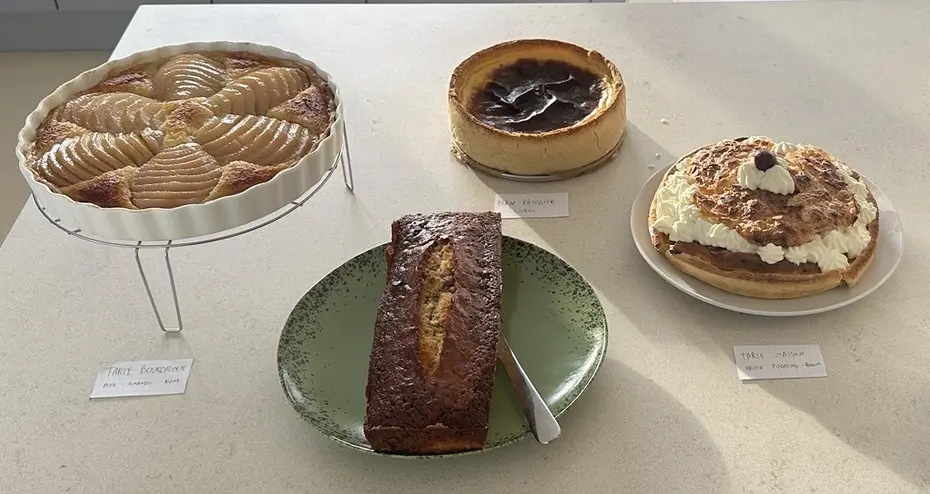
This weekend I was in the kitchen with a recipe for a cake I had never made before. I read it through once and thought: not too bad. A few steps, some ingredients, thirty minutes in the oven. How hard can it be?
Until I started.
Is the dough supposed to look like this? Is it too dry, or just right? The recipe says thirty minutes, but after thirty minutes that thing didn’t look done at all. Now what? Leave it in longer? How much longer?
In the end it did become a cake. Not quite like the photo, but I learned more from it than from reading the recipe ten times.
Watching isn’t the same either
That same evening I was looking up a recipe for the Italian pasta sauce ‘ragù’. I ended up at a video by Fallow, a restaurant in London, showing step by step how they make it. I watched, nodded, and thought again: not that hard.
But deep down I already knew. I’ll only really be able to do it once I’m stirring that pot myself. When I see when the meat is browned enough, smell when the wine has reduced and taste whether it needs more salt. That’s not in any recipe, and you don’t see it in any video.
So why do we mostly learn by reading and watching?
And then it struck me: learning at work is exactly the same. We read a manual, watch a presentation or click through an e-learning, and think: got it. Until we have to apply it in practice. Only then do the questions come. Is this right? What if it goes differently than in the example? Why doesn’t it work as described?
Everyone knows you only truly understand something once you do it yourself. Yet most training still consists mainly of reading, listening and watching. Why, actually? Why don’t we just let people do it?
That’s where the game comes into play
Of course you don’t let every new colleague manage the company’s cash flow straight away, or let a board experiment with the sustainability strategy. In real life, that’s too expensive and the mistakes are too big.
In a game, you can. A serious game is a kind of test kitchen: a safe place where you make decisions yourself, see what happens and try it differently in the next round. In the Working Capital Challenge you notice for yourself that too much stock drains your cash. In SDGame you experience that every sustainable choice is a trade-off. Nobody has to explain it to you: you feel it.
And just like with that cake, the learning happens in the moments when things don’t go as expected. In a game, such a mistake costs no customer, no money and no reputation. Just a round. In the debrief afterwards, you link it back to real practice.
So: just do it
My cake wasn’t perfect. My ragù is still to be made. But I already know I’ll learn more from it than from that video.
Want your team to truly understand something, rather than just having read about it? Then let them do it. Discover our ready-to-play games, see what we do around sustainability and finance, or let us build a game around your own challenge.